Freelance projects in 2021
Experiences of nursing through the COVID-19 pandemic.

I was asked by the Nursing, Midwifery & Paramedic Practice team at Robert Gordon University to lead the qualitative work for a seed-funded project exploring nurses’ experiences of working through different waves of the pandemic. This meant I could be involved from the project’s start to finish, which I came to learn later is very novel in freelancing!
We wanted to know if nursing professional identity altered due to the challenges of the COVID-19 pandemic and if so, what might be the implications for recruitment and retention.
I conducted twenty virtual depth interviews with nurses working in acute NHS hospitals through the pandemic. Through coding and analysis we identified that they faced moral distress through challenges in care by measures to control spread of the virus and experienced anxiety, depression, post-traumatic stress disorder, burnout and emotional exhaustion. These issues challenged their professional identity, which is a critical issue because of its close association with nursing roles, responsibilities, values, and ethical standards.
Covid-19 was not ‘over’ when we interviewed nurses. It was clear they were exhausted and worried that they did not have ‘anything left in the tank’ to deal with further challenges. Some discussed their plans to leave nursing, either because of their own illness (e.g., long covid) or to escape the pressures placed on them/ the services they were delivering.
I was responsible for design, data generation, coding, analysis and for producing the project’s main output – a detailed written report with my interpretation of data and presentation of key findings. I worked closely with the project’s overall lead Dr Aileen Grant to produce this full-scale high quality project in a relatively short timeframe (6 months).
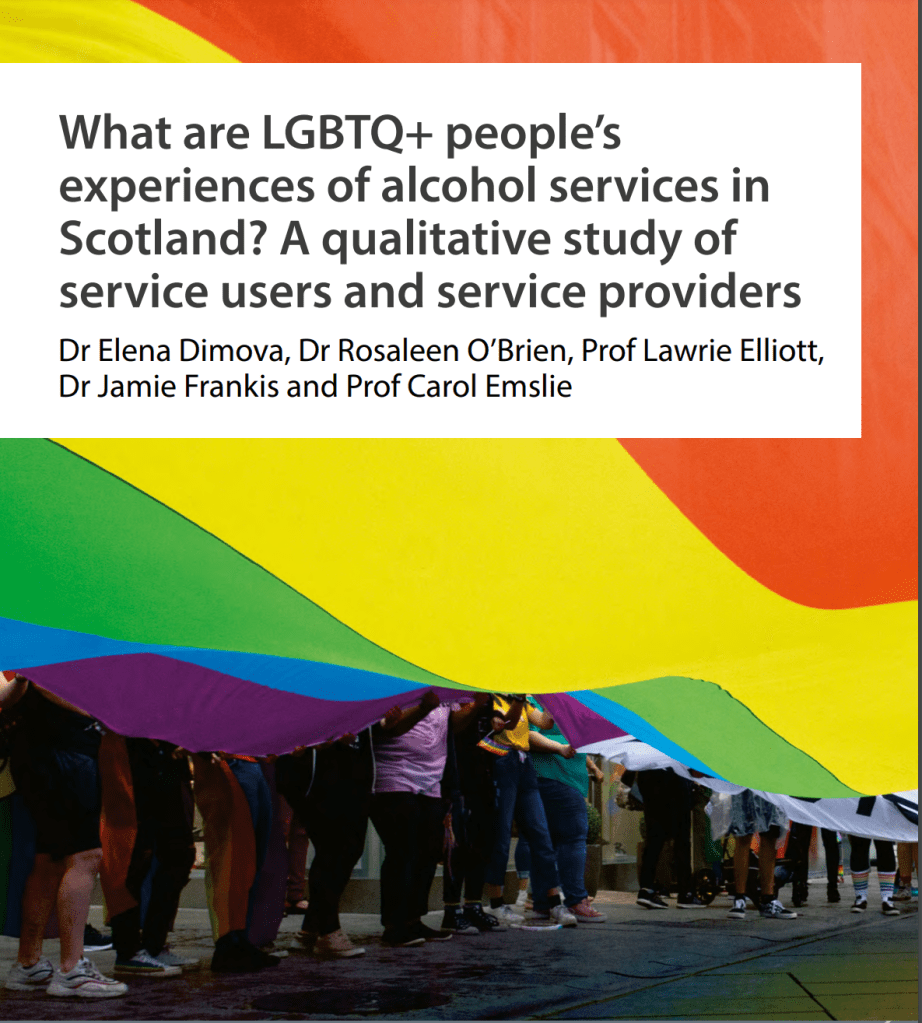
This piece of qualitative research was funded by Scottish Action on Alcohol Problems (SHAAP). The team at Glasgow Caledonian University, led by Professor Carol Emslie, conducted individual interviews with a diverse sample of respondents aged 19 to 65 years who had experienced alcohol services in Scotland.
I was asked to support the team by coding the service user data, developing a thematic analysis, and writing a detailed report , interpreting data and identifying key findings, that could be used as a basis for preparing the report to funders, key presentations, and forthcoming publications.
Many respondents thought their drinking was inextricably linked to their LGBTQ+ identity, as a response to shame, stigma, or family rejection. Almost all spontaneously discussed connections between mental health, alcohol use and LGBTQ+ identity.
Services were perceived to be aimed at middle aged (straight) men who have been drinking for decades. Respondents were rarely asked about their sexuality / gender identity by service providers. They reported a lack of understanding or exploration about their identity and how this might impact drinking and service use. Lesbians reported assumptions that their partners were men.
Respondents, particularly trans people, were wary of negative reactions from other service users. Lesbian and bisexual women reported feeling silenced and vulnerable in some group settings.
There was agreement across the sample that trans people were particularly stigmatised and misunderstood and that barriers experienced by others in the LGBTQ+ community were amplified for trans people.
The report, based on the above work, can be accessed on Scottish Action on Alcohol Problems (SHAAP’s) website. Our findings were debated in Scottish Parliament soon after the report launch event. SHAAP funded this work.


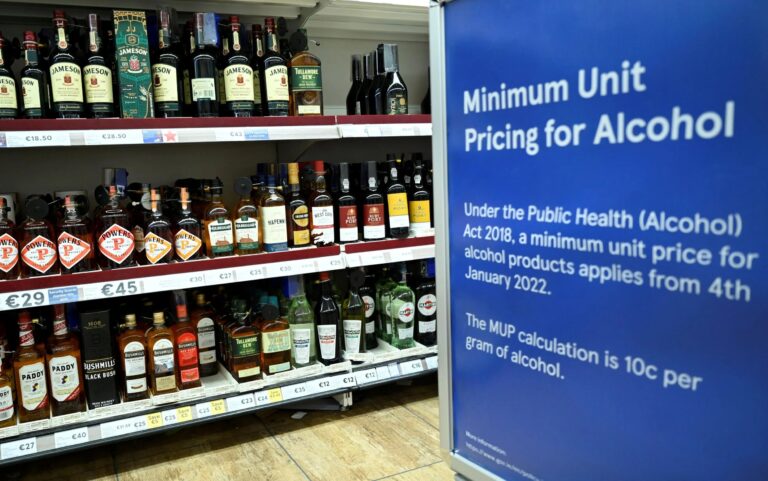
Alcohol Minimum Unit Pricing (MUP) was introduced in Scotland in May 2018. There was already some evidence that MUP can reduce drinking in the general population, but there is little known about its impact on vulnerable groups. This qualitative study aimed to capture the experiences of MUP among homeless drinkers, street drinkers, and the support services that work with them. The study was co-led by Professors Lawrie Elliot & Carol Emslie, Glasgow Caledonian University and funded by the Chief Scientist Office, Scotland.
The team conducted qualitative interviews with 46 people with current or recent experience of homelessness (such as rough sleeping, temporary or insecure accommodation) or street drinking (in public places because they do not have access to domestic space allowing alcohol consumption and/or cannot afford to drink in pubs). These were conducted in Glasgow with the assistance of our partners Homeless Network Scotland and took place after MUP implementation.
I was asked to lead on the coding and development of analysis of the homeless and street drinkers’ data and present a written report of key findings, to be used as a basis for preparing the report to funders, key presentations, and forthcoming publications.
MUP worked as intended for some homeless and street drinkers; others however were unaffected, and a minority experienced unintended consequences. MUP had a negligible or no impact on services supporting homeless and street drinkers, and opportunities to exploit potential benefits were missed. Policy makers need to devise plans to mitigate the unintended impacts and promote the potential benefits of MUP for homeless and street drinkers. The evidence had to be robust to help policymakers to reach a decision regarding the Scottish Government’s ‘sunset clause’. The briefing submitted to the Chief Scientist Officer, based on the above work, is accessible here.
Consultation to improve postgraduate research culture
Robert Gordon University, School of Nursing, Midwifery & Paramedic Practice, identified in the student survey a number of areas that needed improvement. I was asked to conduct a series of focus groups with postgraduate researchers registered at the School, to ask them, more detail about their experiences and help put together a list of recommendations for management.
This project served to remind me that though I typically use qualitative work to inform improvements for health and social care, such insights are useful for other settings. Let me know how I can help your organisation!

Avoiding Brain Injury in Childbirth (ABC Study)
At the end of the year I was asked by Mary-Dixon Woods of The Healthcare Improvement Studies Institute to help with a rapid review being conducted as part of the Avoiding Brain Injury in Childbirth (ABC) Study. This involved reviewing evidence and identifying the key elements of lessons learnt frameworks, and of safety cultures, to help develop a model for midwifery that might be usefully applied.
 Dr Rosaleen O'Brien